Sutherland Avenue flat removals access tips and costs
Moving out of a flat on Sutherland Avenue can look straightforward on paper, then suddenly become one of those jobs that feels oddly technical. Narrow streets, basement stairs, resident bays, lift bookings, awkward corner sofas, a van that is slightly too large, and a neighbour who needs to get past with a buggy at exactly the wrong moment. Sound familiar?
This guide on Sutherland Avenue flat removals access tips and costs breaks the move down in a practical way. You will learn how access affects the job, what typically pushes the price up or down, how to prepare the property properly, and how to avoid the little mistakes that waste time and money. We will keep it grounded, local, and useful.
If you are still comparing moving support, it can help to look at flat removals in London, the wider removal services overview, or the more local Maida Vale removals service for a sense of what is available before you start booking.
Why Sutherland Avenue flat removals access tips and costs Matters
Access is the quiet thing that can make a flat move smooth or slightly chaotic. On Sutherland Avenue, that often means understanding the route from flat to van as clearly as possible before moving day. Is there a lift? Is it bookable? Are there stairs with a sharp turn? Can the van stop close enough to the entrance? These details sound small until you are carrying a wardrobe or trying to squeeze a mattress around a bannister.
The costs follow the access. The more difficult the access, the more time the crew may need. More time can mean a larger bill, especially if parking is tight, carrying distances are longer than expected, or the team has to work carefully around building rules. Truth be told, this is where many moving budgets go a bit sideways.
For people living in Maida Vale, the move is often not just about transport. It is about timing, building etiquette, and local street conditions. If you are deciding whether to stay nearby, it can also be useful to read about the area through resident experiences in Maida Vale or the broader local picture in this guide to Maida Vale's character.
One more thing: better access planning is not just about saving money. It reduces stress, protects furniture, and helps the move stay civil. And that last part matters more than people admit.
How Sutherland Avenue flat removals access tips and costs Works
The basic process is simple, but the details are where the job is won or lost. A removal company will normally want to understand the size of the property, the number of items, the moving date, and how easy it is to get from the front door to the vehicle. From there, they estimate manpower, vehicle size, and time on site.
Access tips matter because they reduce uncertainty. If the mover knows in advance that the flat is on the third floor with no lift, that a loading bay is only available for ten minutes, or that the sofa does not fit through the hallway as-is, they can plan correctly. That might mean extra crew, dismantling tools, protective covers, or a smaller vehicle for better street positioning.
Typical cost factors include:
- floor level and lift availability
- distance from flat to van
- parking restrictions or waiting time
- size and weight of furniture
- need for dismantling and reassembly
- fragile or specialist items
- time of day and how busy the area is
- extra handling caused by awkward access
There is no single fixed price for every flat removal. A quick ground-floor move with easy parking is a different job from a second-floor flat with a narrow staircase and a van that must double-park briefly while someone watches the front door. Not ideal, but that is the reality.
If you need help with packing before the move, packing and boxes in London is worth a look, because decent packing makes access problems easier to manage. Fewer loose items means fewer surprises.
Key Benefits and Practical Advantages
Good access planning gives you more than a cheaper quote. It gives you control. And in removals, control is gold.
- Fewer delays: crews can arrive with the right kit and enough time.
- Lower risk of damage: furniture is less likely to scrape walls or chip paintwork.
- Clearer pricing: you are less likely to face awkward add-ons on the day.
- Less pressure on you: you can focus on keys, meters, and handover instead of improvising.
- Better coordination with the building: especially useful where there are entry codes, porter rules, or lift bookings.
A practical example: if your bed frame has to be carried down a narrow staircase, the team may need to dismantle it first. That adds a bit of labour, yes, but it can save an awful lot of struggle. Same with wardrobes, dining tables, or anything bulky and awkwardly shaped.
It is also worth thinking about the neighbourhood context. Sutherland Avenue is not an industrial estate with endless parking. It is a residential London street, and that means access can be tight at busy times. A good mover will factor in the street reality, not just the inventory list.
Who This Is For and When It Makes Sense
This guide is for anyone moving from a flat where access is not perfectly easy. That includes:
- people living in mansion blocks or period conversions
- tenants in basement or upper-floor flats
- homeowners selling or letting a flat on Sutherland Avenue
- students or sharers with lots of boxes and a few unwieldy bits of furniture
- anyone booking a local man and van service and wanting to avoid surprises
It also makes sense if you are comparing moving options. Maybe you are deciding between a full team move, a lighter man and van in Maida Vale, or a vehicle-only solution through a removal van in Maida Vale. The access issue stays the same either way.
To be fair, if your move is tiny, access may not change much. But once you have bulky furniture, awkward stairs, or a short parking window, it starts to matter quickly. Very quickly.
For property buyers and sellers, the local housing picture can also influence timing. If you are planning around a sale or purchase, the article on real estate choices in Maida Vale gives useful context on the kind of homes and layouts people commonly deal with here.
Step-by-Step Guidance
Here is a clean way to approach a Sutherland Avenue flat move without turning it into a guessing game.
- Measure the access route. Not just the rooms. Measure hallways, stair turns, lifts, door widths, and any tricky corners.
- Check the parking situation. Find out where the van can reasonably stop and whether there are restrictions at your planned move time.
- Speak to the building management. Ask about lift bookings, moving hours, fob access, floor protection, and any paperwork they require.
- List heavy or awkward items clearly. Sofas, king-size beds, large mirrors, pianos, glass furniture, and white goods should be flagged early.
- Decide what should be dismantled. If something is marginally too large, disassembly may be smarter than brute force. Usually is.
- Request a quote based on reality. Share photos, access notes, parking details, and any restrictions. The more accurate the information, the better the quote.
- Prepare the flat on the day before. Clear hallways, label boxes, and keep essential items separate.
- Walk the route with the crew when they arrive. Point out door catches, stairs, fragile areas, and anything that might catch someone out.
A small but useful habit: take a quick photo of the route out of the flat the night before. It sounds almost silly, but it helps you remember the problem spots when you are tired and slightly frazzled at 7:30am.
If the move includes larger items, it may be worth checking furniture removals in London or even piano removals in London if you own something specialist. Those services exist for a reason.
Expert Tips for Better Results
Here are the practical tips that make the biggest difference on real moving day.
- Book early if access is tight. Busy periods fill fast, especially at month-end and around weekends.
- Send photos, not just descriptions. A picture of the staircase or parking spot can save a lot of back-and-forth.
- Confirm lift dimensions. People often remember that there is a lift and forget that it is not big enough for a sofa bed. Annoying, but common.
- Protect fragile walls and floors. Period properties and shared hallways can mark easily.
- Keep the route clear. Shoes, umbrellas, recycling bags, and random hallway clutter all slow a move down.
- Have keys and codes ready. Nothing saps momentum faster than someone hunting for a buzzer code while the van is waiting outside.
There is also a judgment call on vehicle size. Bigger is not always better. On a narrow residential street, a slightly smaller van can be easier to park, easier to load, and less likely to block traffic. That can actually cut costs.
For anyone trying to keep things simple, the local man with a van option can work well for smaller flat moves, but only if the access and volume suit it. The wrong vehicle choice is one of those quiet mistakes that gets expensive later.
Common Mistakes to Avoid
The most expensive removal jobs are not always the biggest. They are often the ones with poor planning. A few mistakes show up again and again.
- Underestimating carrying distance. A flat that looks close to the road may still involve a long internal walk.
- Forgetting about loading restrictions. A street that seems fine on a Tuesday morning may be much less friendly at peak hours.
- Booking before checking building rules. Some properties are stricter than people expect.
- Not measuring bulky furniture. The sofa that "definitely fits" can become a problem at the first stair turn.
- Leaving packing to the last minute. It creates extra labour and makes access slower.
- Assuming every quote covers the same things. Always check whether dismantling, waiting time, or carrying distance is included.
One of the most common issues is people giving a quote request that is too vague. "Two-bed flat, fairly easy access" may sound fine, but it does not tell the mover enough. Fairly easy to one person can mean a third-floor walk-up to someone else. That gap matters.
If you want a broader sense of the company's approach, their about us page and services overview are useful background reads before you book.
Tools, Resources and Recommendations
You do not need a van full of specialist equipment to make a flat move work, but a few basics help a lot.
- Measuring tape: for doors, stair turns, furniture, and lift openings.
- Floor protection: blankets, runners, or cardboard sheets where appropriate.
- Furniture blankets and straps: useful for protecting surfaces and keeping items secure.
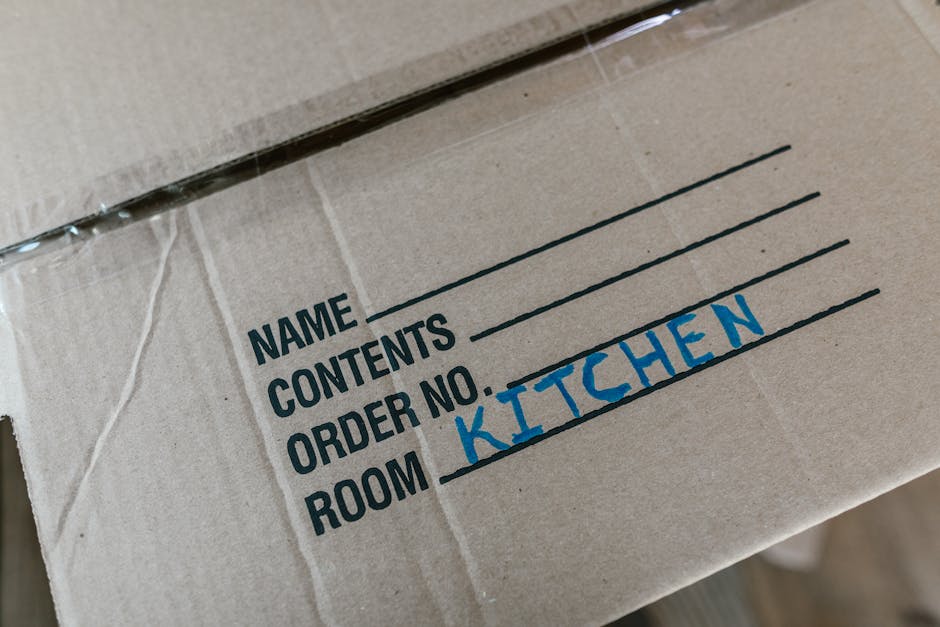
- Box labels: room names and brief contents make unloading faster.
- Phone photos: especially for access points, parking signs, and awkward items.
- Building contact details: handy if lift access or entry needs coordinating on the day.
For secure bookings and sensible admin, it is always a good idea to check the company's pricing and quotes page, plus practical trust pages like insurance and safety and health and safety policy. Those pages do not move your furniture, of course, but they do show how the business handles risk and customer care.
If sustainability matters to you, especially when clearing out an old flat, their recycling and sustainability information is worth a look too. It is a decent sign when a mover thinks beyond the truck ride.
Law, Compliance, Standards, or Best Practice
For London flat removals, the main compliance issues are usually practical rather than dramatic. You are mostly dealing with property rules, parking expectations, safe manual handling, and the normal duty to avoid damage to shared spaces. If your building has specific move times or requires lift protection, follow those rules. They are there for a reason.
Removal companies should also work with sensible standards around safety, insurance, and privacy. You do not need to become a compliance expert, but you do need to know what to ask:
- Is the move covered by appropriate insurance?
- How are claims or complaints handled if something goes wrong?
- Are payment terms clear before the move?
- Are access details and personal information handled securely?
If you are comparing providers, pages such as terms and conditions, payment and security, and complaints procedure are worth reading. Not glamorous reading, granted. But very useful.
The broader idea is simple: choose a mover that is transparent, careful, and realistic about access. That is best practice, full stop.
Options, Methods, and Comparison Table
Different move types suit different access situations. Here is a simple comparison to help you decide what makes sense.
| Option | Best for | Pros | Potential downside |
|---|---|---|---|
| Full flat removal team | Medium to larger flats, awkward access, multiple bulky items | More labour, quicker loading, better for complex access | Usually costs more than a very small move |
| Man and van service | Smaller flats or lighter contents | Flexible, often cost-effective, useful for short local moves | May be less suitable for heavy furniture or tricky stair access |
| Van-only or self-loading arrangement | People with help from friends or family | Can keep direct costs lower | Higher physical strain and more risk if access is awkward |
| Specialist item removal | Pianos, large mirrors, artwork, delicate antiques | Proper handling for difficult items | Extra planning and higher cost |
If you are unsure which option fits your flat, it is usually safer to choose the service that matches the access, not just the inventory. A lot of moving stress comes from underbuying labour, if that makes sense.
For local comparisons, you might also find removal companies in Maida Vale helpful when you are shortlisting providers. The right fit is not always the cheapest on first glance.
Case Study or Real-World Example
Here is a realistic example based on the kind of move people often make from Sutherland Avenue.
A one-bedroom flat on an upper floor needs moving on a weekday morning. The flat has a lift, but it is shared, and there is a time slot for moving use. Parking is available nearby, though not directly outside. The main items are a bed frame, mattress, sofa, dining table, TV unit, several boxes, and a washing machine. Nothing exotic. Just the usual collection of items that somehow becomes a mini mountain.
Before moving day, the resident measures the hallway and sends photos of the lift, stairwell, and front entrance. The remover notices the sofa arms may need to come off, and the bed will almost certainly need dismantling. Because that detail is shared early, the crew arrives ready with tools, protective blankets, and enough time to handle the job calmly.
What happens to the cost? The access is not perfect, but it is well described. So the quote stays more accurate. There is still a carry distance from van to door, but there are no nasty surprises. No last-minute scramble. No "oh, we forgot the lift is out of service" moment, which, honestly, is the sort of thing everyone would prefer to avoid.
The big lesson is simple: good information is cheaper than bad assumptions.
Practical Checklist
Use this checklist a few days before the move. If you can tick most of it off, you are in good shape.
- Measure doorways, stair turns, and lift dimensions
- Confirm parking options and loading restrictions
- Check building rules for moving hours and lift bookings
- Identify all large, heavy, or fragile items
- Decide what needs dismantling in advance
- Label boxes by room and priority
- Clear hallways, entrances, and the route to the door
- Share photos of access with the mover
- Prepare keys, codes, and contact numbers
- Review insurance, payment, and quote terms
Quick expert summary: if access is tight, the winning move is usually early planning, honest quoting, and a service level that matches the building rather than the boxes. That combination keeps the day calmer and the price more sensible. Simple, really.
Conclusion
Moving from a flat on Sutherland Avenue does not have to become a logistical headache. Once you understand how access affects time, labour, parking, and handling, the whole process becomes much more predictable. That is the real value of planning ahead: fewer surprises, better quoting, and a move that feels managed instead of improvised.
Whether you are arranging a small local move or a larger flat relocation, focus on the access details first. Measure carefully, communicate clearly, and choose a service that fits the reality of the building. A few thoughtful checks now can save a lot of faff later. And if you are in doubt, ask the mover to talk through the route with you before moving day. That conversation alone can be worth its weight in boxes.
Get a free quote today and see how much you can save.
In the end, a good flat move is rarely flashy. It is just steady, considerate, and done properly. Which, on a busy London street, is exactly what you want.
Frequently Asked Questions
How much do Sutherland Avenue flat removals usually cost?
Costs vary depending on the size of the flat, access, parking, volume of furniture, and whether anything needs dismantling. Easy access usually keeps pricing lower, while stairs, long carries, and waiting time can increase the total.
What access details should I tell the removal company?
Tell them about floor level, lift availability, stair width, parking restrictions, entry codes, and whether any large items need to be carried through tight turns. Photos are often the clearest way to explain it.
Does a lift always make the move cheaper?
Usually it helps, but not always. A lift can reduce carrying effort, yet if it is small, slow, or needs booking, it may still add time. The key is whether it genuinely improves access for bulky items.
How far in advance should I book a flat removal on Sutherland Avenue?
As early as you can, especially if you are moving at month-end or on a weekend. Early booking also gives you time to clarify parking, building rules, and any awkward furniture issues.
Will I need a parking permit or special permission?
Sometimes yes, depending on the exact loading spot and local restrictions. Check the street rules and speak to your building management if your move needs temporary use of a bay or shared entrance area.
What if my sofa or bed will not fit through the hallway?
The usual solution is dismantling, if the item was designed for it. If not, the mover may need to rotate it carefully, remove doors, or find another route. This is why measuring first saves so much trouble.
Are man and van services suitable for Sutherland Avenue flats?
They can be, especially for smaller moves or lighter loads. But if access is awkward, or you have bulky furniture and multiple flights of stairs, a fuller removal service may be the safer choice.
What can make the price go up unexpectedly?
Common causes include parking delays, access that is worse than described, long carrying distances, extra items not mentioned in the quote, and furniture that needs dismantling on the day. Small surprises add up fast.
Should I pack everything before the movers arrive?
Yes, ideally. Packed boxes speed up the move and reduce handling time. If you need support, look at packing services before move day rather than trying to finish it all in a rush that morning.
How do I know if a quote is fair?
A fair quote should reflect the real conditions of the move, not just a rough guess. If the mover has asked sensible questions about access, parking, and item size, that is usually a good sign.
What should I check in the company's terms before booking?
Look at what is included, how delays are handled, payment terms, cancellation rules, and whether insurance is in place. It is not the exciting bit, but it matters more than people think.
Can I combine a flat move with storage or extra services?
Yes, depending on the provider. Some people also ask for packing, furniture handling, or short-notice support. If your move is time-sensitive, a wider service package can make the day feel much simpler.
What is the best way to reduce removals costs on Sutherland Avenue?
Prepare early, pack well, measure access properly, dismantle items in advance where possible, and give accurate information when requesting quotes. Honestly, that combination usually does more than any quick hack or bargain promise.