How Westminster Controlled Parking Affects Maida Vale Movers
If you are moving in Maida Vale, parking is rarely a background detail. It can shape the whole day. Westminster's controlled parking zones, bay restrictions, loading rules, and permit expectations can turn a straightforward move into a slow, stop-start juggling act if they are not planned properly. That is exactly why understanding How Westminster controlled parking affects Maida Vale movers matters before the van arrives, not after it is already circling the block.
Maida Vale has those classic London moving challenges: narrower residential streets, busy stretches near main roads, and neighbours who quite rightly expect access to stay manageable. Add controlled parking into the mix and even a well-packed move can lose time at the kerb. The good news? With the right preparation, you can usually keep things smooth, legal, and far less stressful. This guide breaks down what controlled parking means, why it matters, and how movers can work around it without drama.
Contents
- Why How Westminster controlled parking affects Maida Vale movers Matters
- How How Westminster controlled parking affects Maida Vale movers Works
- Key Benefits and Practical Advantages
- Who This Is For and When It Makes Sense
- Step-by-Step Guidance
- Expert Tips for Better Results
- Common Mistakes to Avoid
- Tools, Resources and Recommendations
- Law, Compliance, Standards, or Best Practice
- Options, Methods, or Comparison Table
- Case Study or Real-World Example
- Practical Checklist
- Conclusion
- Frequently Asked Questions
Why How Westminster controlled parking affects Maida Vale movers Matters
Controlled parking matters because moving is a timing game. The van needs space. The crew needs access. The lift, hallway, and front door need to stay clear. If the driver cannot stop near the property, everything gets slower. Boxes sit on the pavement longer, bulky furniture takes more lifts, and the move starts to feel like a relay race with a missing baton.
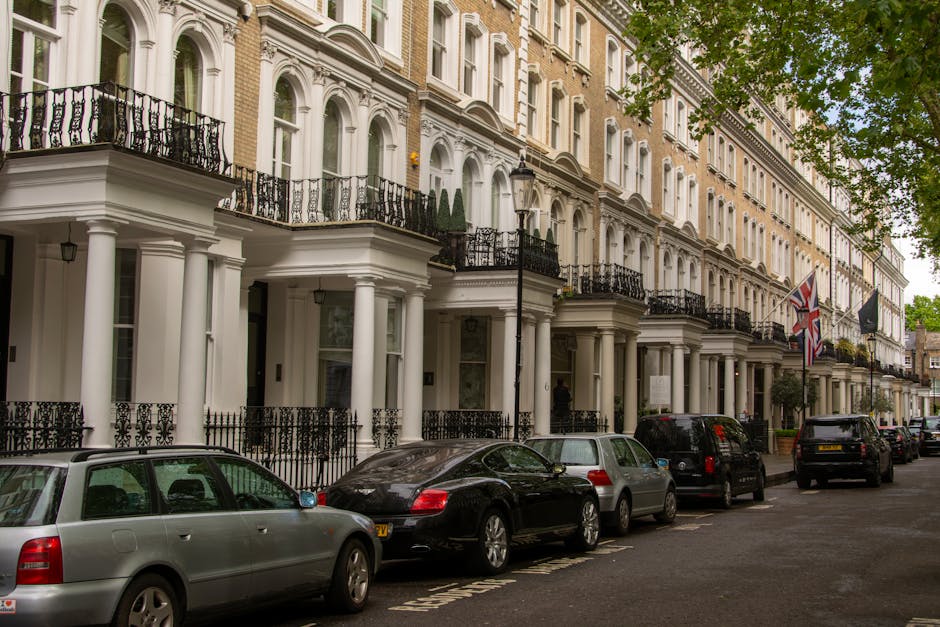
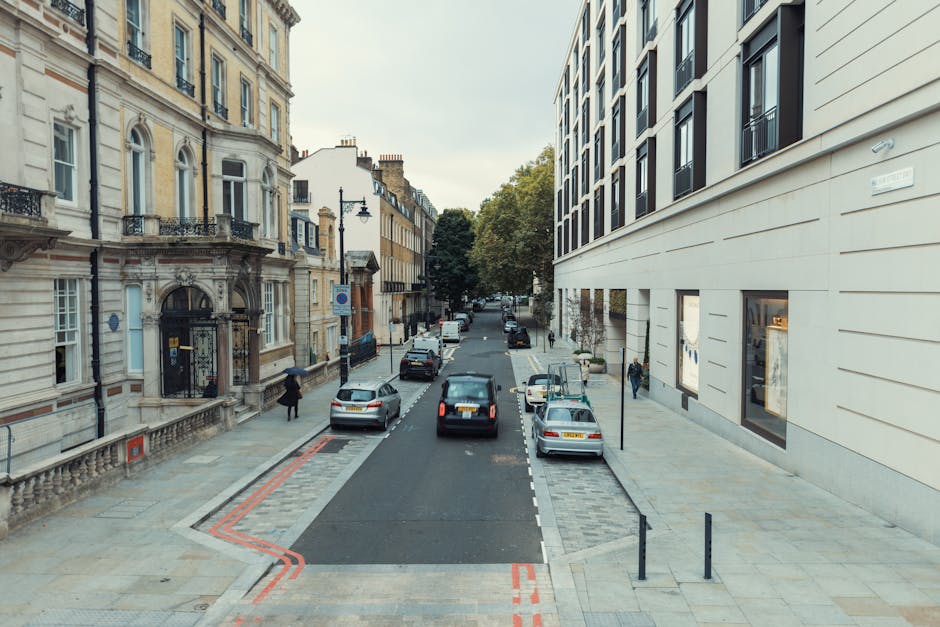
In Maida Vale, the challenge is often not the distance between homes. It is the distance between the front door and a lawful place to stop. Westminster-controlled streets can have pay-and-display bays, resident bays, shared-use bays, yellow lines, loading restrictions, and time-limited parking. Some streets allow brief stopping for loading; others require more careful planning. If you are not sure which is which, it is easy to assume the van can just pull in "for a minute". That assumption is where trouble begins.
There is also the neighbourhood impact to consider. A moving truck left half on the carriageway, or a van blocking a bay longer than expected, can create friction with local residents and other road users. Let's face it, no one enjoys being the moving-day neighbour who makes life harder for everyone else. Planning ahead is the simplest way to avoid that.
For moving companies, the controlled parking environment affects scheduling, vehicle choice, labour planning, and even quote accuracy. For customers, it affects whether the move finishes at a sensible hour or drifts into the evening. That is why many people search for house removals and related services only to discover that parking is one of the biggest variables in the job.
How How Westminster controlled parking affects Maida Vale movers Works
At a practical level, Westminster controlled parking affects movers in four main ways: stopping access, waiting time, vehicle positioning, and permit or exemption needs. You do not need to be a parking expert to understand the basics, but you do need a workable plan.
1. Stopping space is limited
In controlled streets, the driver may only be able to stop in certain bays or within a narrow loading window. If the nearest legal place to pause is across the road or around the corner, movers have to carry items further. That sounds minor until you are carrying a wardrobe in light rain at 8:15 on a Monday. Then it matters.
2. Loading rules are not the same as parking rules
A lot of people mix these up. Parking rules govern where a vehicle can remain. Loading rules may allow brief stopping to load or unload, even where parking would not normally be permitted. But this is not a free-for-all. The exact allowances depend on the street, signs, markings, and local restrictions. Movers need to treat these rules carefully, not casually.
3. Timing can change the whole move
Morning and evening peaks are usually the least forgiving times for any local move. School runs, deliveries, commuter traffic, and impatient motorists can all make a simple stop harder than expected. A van that arrives ten minutes late may find its intended spot already taken. In Maida Vale, that can ripple through the rest of the day.
4. Larger vehicles need more room than people expect
A small man with van setup may be easier to place than a larger removal vehicle, but even a compact van needs enough kerb space and a sensible unloading angle. If you are arranging a bigger move, a well-planned moving van or moving truck may be more efficient overall, but only if access is workable.
In real terms, Westminster parking can decide whether your move is a tidy one-trip process or a frustrating shuffle of back-and-forth carries. That is the difference between a calm morning and a slightly chaotic one. Truth be told, the kerbside often sets the tone.
Key Benefits and Practical Advantages
It may sound odd to talk about benefits when discussing parking restrictions, but there are real advantages to understanding the system properly. Once you know what you are dealing with, you can make better decisions, avoid fines, and keep the move moving.
- Fewer delays: If the van can stop legally and close to the entrance, loading is faster and safer.
- Lower stress: People relax when the parking plan is clear. No one likes a last-minute scramble with a driver hovering on the phone.
- Better vehicle choice: A local street may suit a smaller van better than a larger truck, or vice versa if a permit allows a suitable bay.
- Reduced carrying distance: Shorter walks from van to door mean less fatigue and fewer bumps to furniture.
- Fewer compliance issues: Planning helps avoid avoidable parking tickets, complaints, or enforcement problems.
- Cleaner quote expectations: Good parking information helps movers estimate time and labour more accurately.
For many households, this is also where support services become useful. If your move involves packing delays or awkward access, a wider package such as packing and unpacking services can take pressure off the schedule. And if you are moving a whole home rather than just a few items, choosing the right home moves option can make a noticeable difference to how the day flows.
Expert summary: In Maida Vale, controlled parking is not just a nuisance to plan around. It is one of the main factors that determines how efficiently a move can be completed, how much manual carrying is required, and how likely the day is to stay on schedule.
Who This Is For and When It Makes Sense
This topic matters to more people than you might think. It is not only for large family moves. Controlled parking affects anyone whose move depends on the van getting close to the property.
Home movers
If you are moving from a flat or townhouse in Maida Vale, parking can be the difference between a neat load-out and a long carry from the nearest legal stop. For people moving with limited lift access or awkward stairwells, that extra distance can be exhausting.
Landlords and tenants
End-of-tenancy moves often happen under time pressure. Keys are due back, cleaners are waiting, and the last thing anyone wants is a parking issue delaying handover. A clear parking plan helps protect the timetable.
Older residents or families with children
If there are mobility concerns, sleeping children, or a lot of fragile items, you want the vehicle as close as possible. Fewer trips means fewer risks. Simple as that.
Businesses relocating in the area
Commercial moves can be even more sensitive to controlled parking, especially where staff, clients, deliveries, or equipment must all be coordinated. In that case, it may be worth looking at commercial moves or dedicated office removals support if the move is more complex than a standard home relocation.
It makes sense to think about parking early if you are moving from a street with limited bay availability, if the property is on a busy route, if a larger vehicle is needed, or if your loading window is tight. Honestly, if any of those apply, parking planning is not optional.
Step-by-Step Guidance
If you want to reduce the chance of parking problems on moving day, work through the move in stages. This is the bit that saves time later. A little prep now can save a surprisingly messy afternoon.
- Check the street situation early. Look at the parking signs, bay markings, and any loading restrictions around both addresses. Do this before you book the vehicle if possible.
- Map the closest legal stopping point. Do not assume the front door will be the easiest unloading point. Sometimes the nearest viable spot is one street away.
- Confirm vehicle size. A compact van may be perfect for one flat, while a larger removal vehicle could be better for a full household. Match the vehicle to the access, not just the inventory.
- Plan loading order. Put essentials, fragile items, and heavy furniture in a sequence that fits the stop time available. The first things off the van should be the things you need most quickly.
- Build in a margin. Controlled parking can add uncertainty. Leave a bit of breathing room in the schedule. That half-hour cushion often disappears fast in London.
- Tell the movers about access limits. A good crew needs to know if there is no lift, if the road is narrow, or if the bay is often occupied by commuters.
- Keep documents and keys ready. Wasted minutes at the door or on the pavement are annoying, especially if the van is already waiting in a permitted spot.
- Have a fallback plan. If the original stopping place is taken, decide in advance where the van can safely move next.
If you are comparing service options, man and van support can work well for lighter, quicker moves, while a full removals service may be more suitable where access is tight and the job needs more hands. There is no single right answer. It depends on the property, the volume, and the parking reality on the day.
Expert Tips for Better Results
Here is where local know-how really pays off. These are the little things that often make the move feel less frantic.
- Choose a quieter time if you can. Mid-morning can be easier than school-run hours or late afternoon, although every street is different.
- Keep the route from van to door clear. Bins, scooters, flowerpots, and loose mats all become trip hazards when you are carrying bulky items.
- Label the heavy stuff. If the crew knows what is fragile or awkward, they can unload in the right order.
- Ask about access before agreeing the vehicle. A van that is too large for the street is not impressive. It is just awkward.
- Think about unloading, not just parking. Can the vehicle open both rear doors? Is there space to work safely at the back?
- Allow for neighbour activity. Refuse collections, deliveries, and people coming and going can affect your preferred bay. London streets are lively, which is part of the charm, and part of the hassle.
A small but important point: in many local moves, the best result comes from being flexible rather than stubborn. If the ideal bay is taken, the smart move is often to adapt quickly rather than wait and hope. That is not glamorous, but it works.
For those who want extra peace of mind, checking a company's health and safety policy and insurance and safety approach is never wasted time. It tells you whether the team thinks carefully about access, lifting, and the realities of working in busy streets.
Common Mistakes to Avoid
Most problems are avoidable. That is the frustrating part, really. They usually come from assumptions made too late in the process.
- Assuming any bay is fine. Not every marked space is suitable for loading, and some are time-restricted.
- Forgetting the return leg. You may get in successfully in the morning, but can you still unload at the other end?
- Booking a van before checking access. A vehicle that is too long or too high can turn a simple street into a headache.
- Leaving parking planning until move day. By then, the best options may already be gone.
- Ignoring lifting limits. If the van is parked further away than expected, carrying risk goes up immediately.
- Not warning the mover about narrow streets or school traffic. Those details matter more than people realise.
- Underestimating the time needed. Controlled parking almost always adds a little friction, and London friction adds up fast.
A common one, and it happens a lot: someone says, "It should be fine, we can just stop outside for a few minutes." Then, two minutes later, a parking issue appears, a resident needs access, and the whole timetable slips. You can almost hear the clock ticking louder. Better to avoid that scene altogether.
Tools, Resources and Recommendations
You do not need a suitcase of specialist tools to manage parking, but a few practical aids help enormously.
- Parking signs and bay markings on site: These are the first reference point and should be checked on both ends of the move.
- A phone for live coordination: Useful if the driver and the person inside need to agree on a quick fallback plan.
- Boxes and labels: Well-labelled items reduce unloading delays when the van is under time pressure.
- Protective materials: Blankets, wraps, and covers help speed up handling of furniture in tighter spaces.
- Accurate inventory: The more clearly you describe the load, the easier it is to choose the right service.
If you are still comparing providers, it can help to review pricing and quotes alongside the access details you have collected. A sensible quote is one that reflects the real moving conditions, not just the number of boxes you think you have. And if you are unsure which service type fits best, the wider removal services page can help you think through the available options.
For people relocating with older furniture or items that need to go rather than come with them, furniture pick up can be handy when you are trying to reduce volume before the main move. Less clutter, less carrying, less parking pressure. It all connects.
Law, Compliance, Standards, or Best Practice
Parking and loading in Westminster are governed by local restrictions, road signs, bay markings, and standard UK traffic rules. That sounds obvious, but it is worth saying plainly: the signs on the street matter more than what feels convenient on the day. Movers should work within the restrictions displayed at the location and avoid treating loading as automatic permission to stop anywhere.
There are also wider best-practice expectations. Drivers should not block traffic unnecessarily, should avoid unsafe unloading, and should keep pavements and entrances as clear as reasonably possible. If a property has a shared entrance, a narrow street, or awkward access, the safest and most professional approach is to slow down and plan properly rather than rush.
For customers, the useful takeaway is this: give your mover accurate access information, and ask how they would handle a parking issue if one arises. A professional company will usually welcome that question. It shows you are thinking ahead rather than hoping the street will magically cooperate.
It is also sensible to read the provider's terms and conditions and privacy policy if you are sharing access details, personal information, or booking instructions online. Small detail, yes, but a worthwhile one. If you want to understand how the business handles payments and booking confidence as well, the payment and security page is a practical companion read.
Options, Methods, or Comparison Table
Different moving setups cope with Westminster controlled parking in different ways. Here is a simple comparison to help you decide what suits your situation.
| Moving option | Best for | Parking impact | Typical advantage |
|---|---|---|---|
| Man and van | Smaller loads, single flats, quick local jobs | Usually easier to position in tighter streets | Flexible and often simpler for short access windows |
| Moving van | Medium-sized household moves | Needs a sensible stop point and clear unloading plan | Good balance between capacity and manoeuvrability |
| Moving truck | Larger moves or fuller households | More dependent on bay space and wider access | Can reduce back-and-forth trips if access is workable |
| Full removals team | Complex, heavy, or multi-room moves | More crew can offset longer carries from the van | Best when the street is awkward and the property needs efficient handling |
If you are weighing up service types, the comparison is not just about price. It is about access, carrying distance, speed, and how much physical effort the day will demand. A slightly larger service can sometimes be the cheaper choice once you factor in time and stress. Oddly enough, the "smaller" option is not always the simpler one.
Case Study or Real-World Example
Picture a typical Maida Vale flat move on a weekday morning. The property is on a residential street with controlled parking, and the moving team has planned for a bay close to the building. On arrival, the bay is occupied. Nothing dramatic, just a normal London reality.
Because the booking included access details and a fallback plan, the driver moves half a block to a legal loading point rather than waiting and guessing. The crew adjusts by splitting the load into smaller, manageable carries. A couple of heavier items are wrapped and moved first, while lighter boxes follow. It is not perfect, but it is controlled.
The important bit is that the move stays legal and organised. No one is blocking a neighbour's driveway. No one is carrying a sofa across an unsafe stretch of road. The schedule stretches a little, but the day remains manageable. In practice, that is a successful controlled-parking move: not flashy, just calm and steady.
If the same move had been booked without parking awareness, the team might have arrived expecting to park outside, only to spend twenty minutes finding space, rearranging the load order, and losing momentum. That is where controlled parking starts to cost you.
Practical Checklist
Use this checklist before moving day. It keeps things simple, which is exactly what you want.
- Check the parking restrictions at both the old and new addresses.
- Note any loading bays, time limits, or permit-only sections.
- Measure access points if the property has tight entrances or limited turning space.
- Tell the mover about stairs, lifts, narrow halls, or resident-only parking.
- Confirm the vehicle type suits the street and the volume of items.
- Prepare labels for boxes and mark fragile items clearly.
- Keep keys, documents, and contact numbers easy to reach.
- Build extra time into the schedule for parking and access issues.
- Review the mover's about us information if you want a better sense of the team and how they work.
- Have a backup unloading plan in case the nearest bay is unavailable.
That may seem like a lot, but most of it takes only a few minutes. And those few minutes can save you a lot of hassle later. Honestly, a well-prepared move feels very different in the final hour.
Conclusion
Westminster controlled parking affects Maida Vale movers in a very practical way: it changes where the van can stop, how far items must be carried, how long the job takes, and how smoothly the whole day feels. Once you treat parking as a core part of the moving plan rather than an afterthought, the move becomes easier to manage and much less risky.
The best approach is simple. Check the restrictions early, choose the right vehicle, share accurate access details, and leave enough room in the schedule for London to be London. That little bit of planning pays off. It always does.
If you are comparing options for a local move, a larger relocation, or a more awkward street, it helps to speak with a team that understands access, timing, and the realities of moving in Westminster. A good move is rarely about luck. It is about preparation, communication, and a calm plan when the bay outside is taken. That is just life in the city, really.
Get a free quote today and see how much you can save.
Frequently Asked Questions
What does Westminster controlled parking mean for a Maida Vale move?
It means your mover may need to follow local bay rules, loading restrictions, and time limits when stopping outside the property. The main effect is on access, timing, and how far items must be carried.
Can a moving van stop outside my Maida Vale flat?
Sometimes, but not always. It depends on the signposted restrictions on that specific street. The key is to check whether stopping is allowed for loading and whether the space is likely to be available at your planned time.
Do movers need a parking permit in Westminster?
They may need a permit or another lawful arrangement depending on the location and duration of stopping. The exact requirement depends on the street and the type of stop, so it is best to plan with the mover rather than assume.
Will controlled parking make my move more expensive?
It can, if it adds time, labour, or the need for a larger team. That said, careful planning often keeps the impact modest. Accurate access details are the best way to avoid surprises.
Is a man and van better than a larger removals vehicle in Maida Vale?
Not always, but it can be easier to position in tighter streets. For smaller loads, a man with van setup may be practical. For bigger moves, a fuller service may save time overall.
What should I tell my mover about parking?
Tell them the street name, any loading restrictions, bay availability, time limits, narrow access points, and whether there is a lift or stairs. The more accurate the picture, the better the plan.
Can movers unload in a loading bay if it is busy?
Only if the loading bay can be used lawfully and safely at that time. If it is occupied or unsuitable, the crew needs to move to a legal fallback position rather than improvise.
How early should I plan parking for moving day?
As early as possible. Ideally, parking should be discussed when you request a quote or book the service, not left until the morning of the move.
What is the biggest mistake people make with controlled parking?
The biggest mistake is assuming the van can just stop outside for as long as needed. In London, that assumption can cause delays, stress, and avoidable compliance issues.
Are office moves affected by controlled parking too?
Yes, often even more so. Business relocations may involve multiple deliveries, stricter timing, and more equipment. If that sounds familiar, office relocation services may be worth considering.
What if the closest parking space is already taken?
A good mover should have a fallback plan, such as a nearby legal stopping point or an adjusted unloading sequence. This is why access information and flexibility matter so much.
Where can I learn more about the company before booking?
You can review the company's background and service approach on the about us page, then look at pricing and quotes if you are ready to compare options.
What if I need help with packing as well as parking issues?
Then it may be sensible to combine services. For example, packing and unpacking services can reduce delays and make the moving day easier to manage, especially where parking is tight.